CFC highlights the human cost of sovereign risk mispricing at New York Climate Week
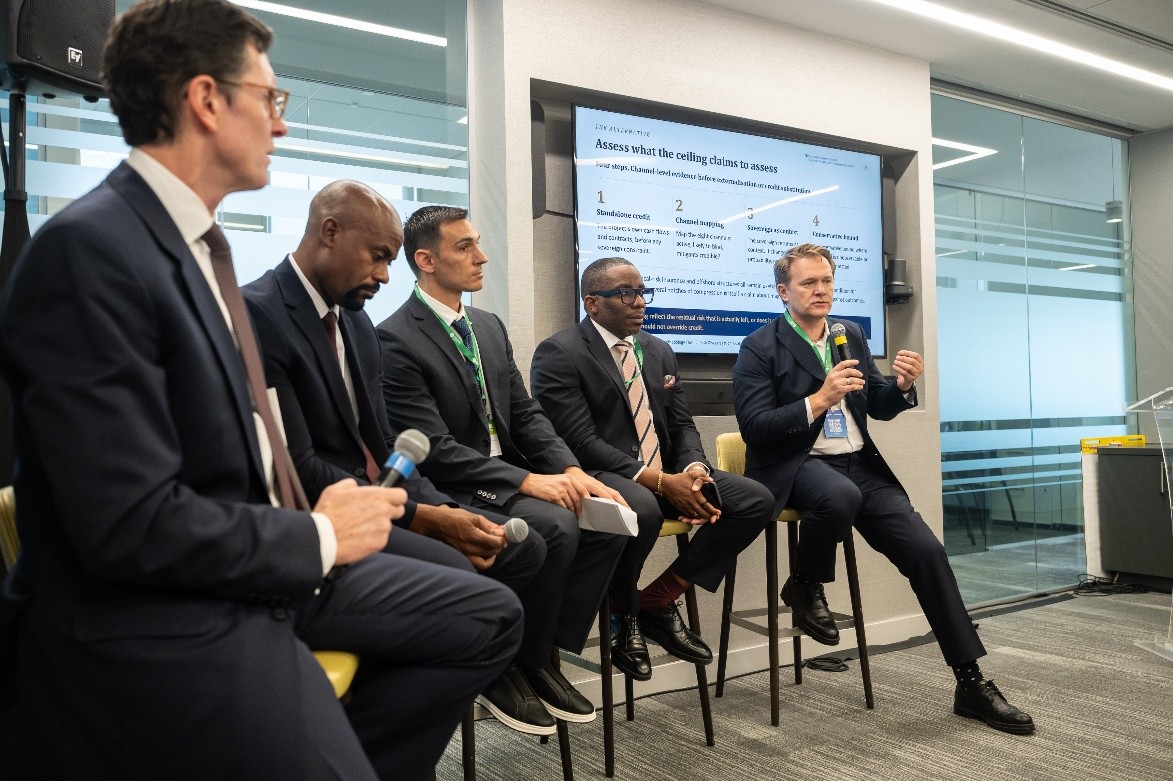
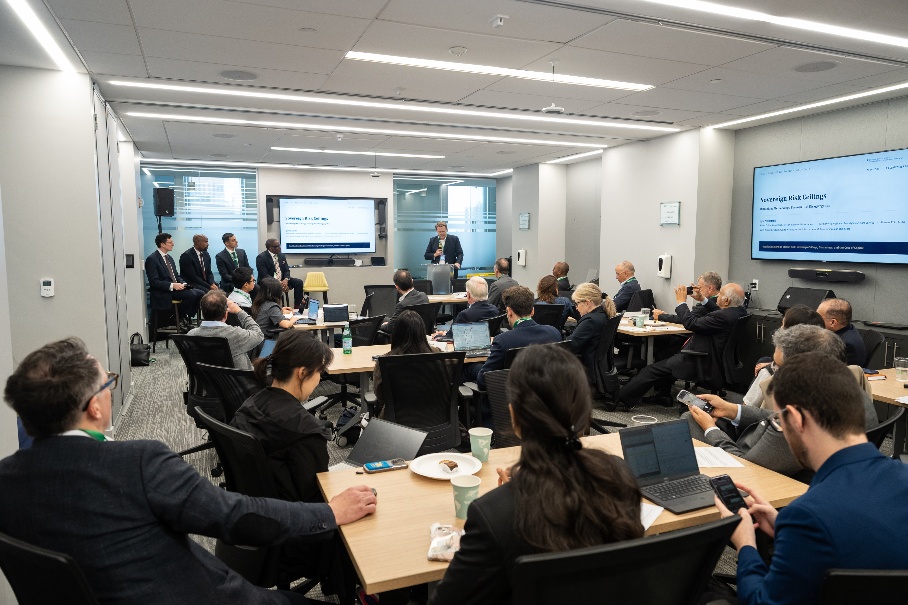
New York, 23 September 2026 - The Common Fund for Commodities (CFC) joined international experts and development finance practitioners in New York for a roundtable examining how sovereign credit ratings influence the cost and availability of financing for projects in emerging markets.
The event, “Repricing Emerging Market Risk: Sovereign Ceilings, Guarantees, and the Cost of Capital,” brought together the Columbia Center on Sustainable Investment (CCSI), Environmental Defense Fund (EDF), africapractice and the Emerging Markets Investors Alliance (EMIA) to explore how sovereign risk assessments can affect investment in infrastructure and other projects, including those supporting sustainable development.
A central contribution to the discussion was the research of Mr. Igor Zelezetskii, whose work examines the implications of sovereign risk mispricing for developing economies. His paper, “Sovereign Risk Ceilings: Rethinking Methodology Through Risk Disaggregation,” challenges the assumption that a project's creditworthiness should necessarily be capped by the sovereign rating of its host country, regardless of the project's individual risk profile.
The research proposes a more granular assessment of the channels through which sovereign risk may affect a project, including currency convertibility, devaluation, regulatory intervention, contractual interference and offtaker default. Assessing these risks individually, alongside available mitigation measures, could help distinguish genuine project-level exposure from risks that may be overstated by a blanket sovereign ceiling.
From credit ratings to the real economy
For the CFC, this debate has direct implications for the financing of commodity value chains. When the perceived risk of a country translates into higher borrowing costs or restricts access to capital, the consequences can extend well beyond major infrastructure projects. Small and medium-sized enterprises, agricultural businesses and smallholder producers may face more expensive financing, fewer investment opportunities and greater difficulty accessing markets.
These constraints can limit investment in productive capacity, processing, storage, logistics and other essential infrastructure that enables commodity-producing countries to capture greater value from their resources.
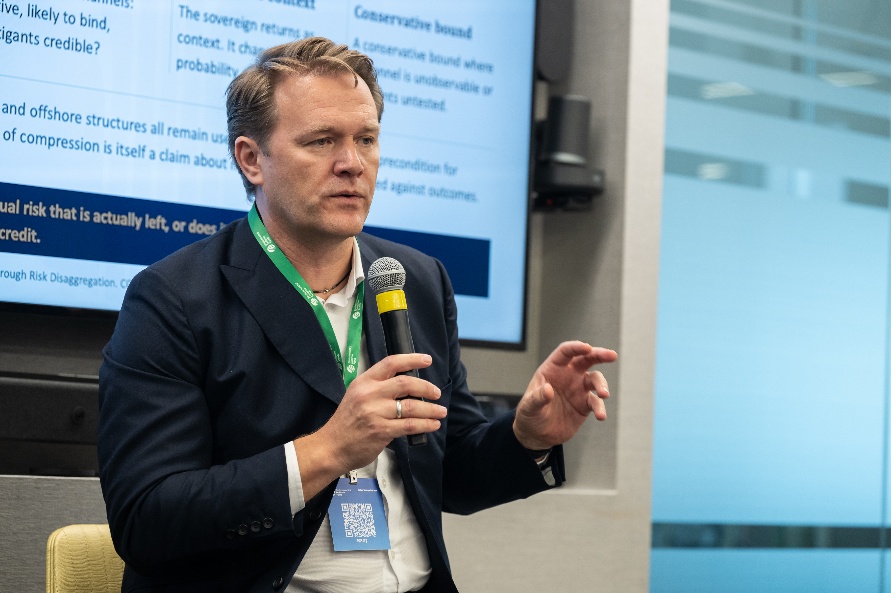
The issue was also explored in the CFC’s Annual Report 2025, which features Mr. Zelezetskii’s article, “Mispricing development: sovereign ratings and the human cost of capital.” The article examines how sovereign ratings can influence borrowing costs, exchange rates, capital flows and fiscal space, with implications for infrastructure, enterprises and smallholders across commodity value chains.
A more differentiated approach to risk
The New York roundtable brought together perspectives from credit rating agencies, policymakers, investors and development finance practitioners. A panel discussion examined how to distinguish legitimate sovereign risk from potential mispricing, the role of guarantees and multilateral development finance in mitigating specific risks, and whether current rating methodologies can unnecessarily restrict investment.
The discussion continued through a facilitated world café, allowing participants to consider practical responses and the respective roles of investors, policymakers, regulators and data providers. The event was held under the Chatham House Rule.
For the CFC, the discussion reinforces the importance of examining not only whether capital is available, but also the terms on which it reaches commodity-dependent economies and the enterprises that sustain their value chains. A more differentiated understanding of risk, supported by transparent methodologies and appropriately designed risk-mitigation instruments, could help make financing more responsive to the actual risks and development potential of individual projects.
As a multilateral financial institution dedicated to supporting commodity-dependent developing countries, the CFC continues to highlight the importance of investment conditions that enable local enterprises and smallholders in processing, build productive capacity and retain a greater share of the value they create